
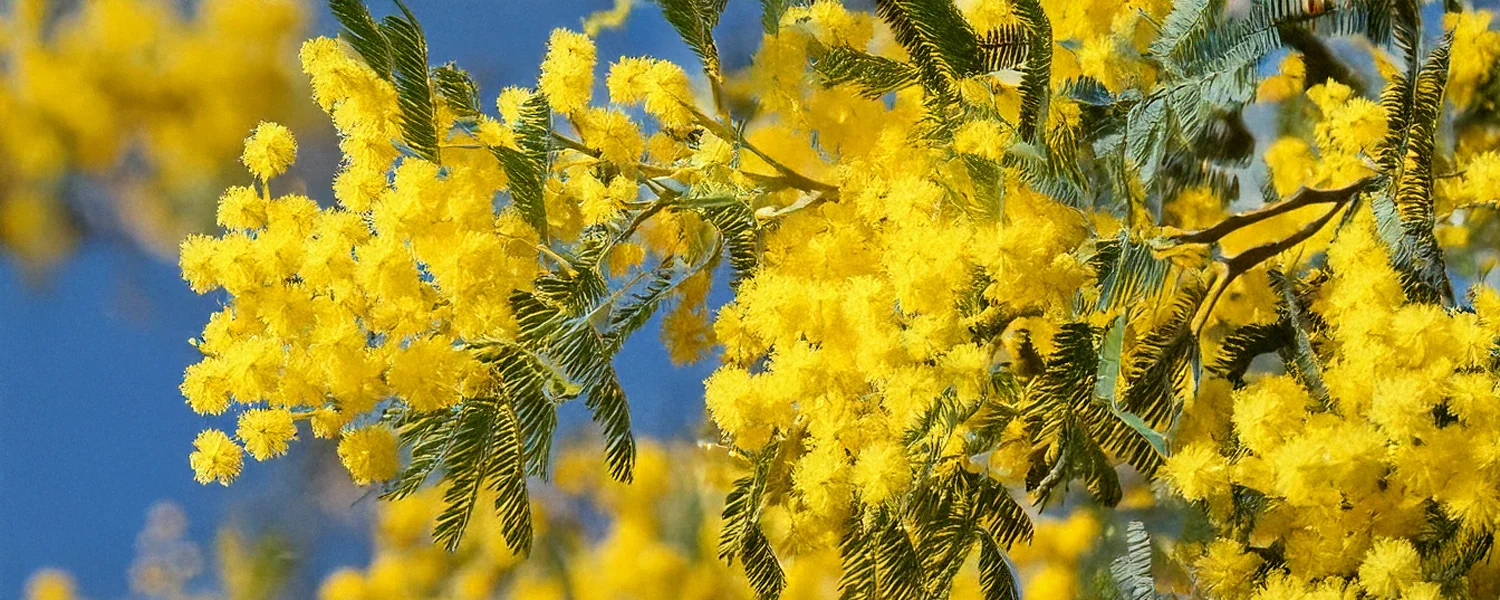
The Acacia tree, also known as Mimosa, belongs to the Fabaceae family and is found in many parts of the world, particularly in tropical and subtropical regions. These trees are known for their beautiful flowers and are commonly used in landscaping. However, they are also known to produce allergens that can trigger allergic reactions in sensitive individuals.
Symptoms of Acacia (Mimosa) Tree Allergy
Individuals allergic to Acacia may experience various symptoms when exposed to the tree's pollen or other parts. Common symptoms include:
- Runny or stuffy nose
- Itchy or watery eyes
- Sneezing
- Skin rashes or hives
- Asthma-like symptoms, such as wheezing or shortness of breath
- Fatigue and irritability during pollen season
Conducting an Allergy Test
If you suspect you have an Acacia allergy, it's crucial to consult a healthcare professional who can conduct appropriate tests. Allergy tests can determine whether you have a sensitivity to Acacia pollen or other allergens.
Types of Allergy Tests
There are generally two types of acacia mimosa allergy tests:
- Skin Prick Test: A small amount of allergen is introduced into the skin using a tiny needle. If you're allergic, a raised bump will appear at the test site within 15-20 minutes.
- Blood Test: This test measures the amount of IgE antibodies in your blood in response to Acacia allergens. High levels of IgE typically indicate an allergy.
Diagnosis and Next Steps
After conducting allergy tests, your healthcare provider will discuss the results and determine the best course of action. If diagnosed with an Acacia allergy, the following steps are often recommended:
- Avoidance of Acacia trees, especially during peak pollen seasons
- Antihistamines to relieve mild symptoms
- Using nasal corticosteroids for more severe reactions
- Consultation with an allergist for potential immunotherapy
Living with Acacia Allergy
Managing an Acacia allergy involves proactive steps to reduce exposure to allergens. Here are some tips:
- Monitor pollen counts regularly via weather apps or websites.
- Stay indoors during high pollen seasons, particularly on windy days.
- Keep windows closed and use air conditioning to filter out pollen.
- Shower and change clothing after outdoor activities to remove pollen.
Takeaway
Acacia (Mimosa) tree allergy can significantly affect the quality of life for those sensitive to its pollen. Understanding the symptoms, seeking timely diagnosis, and adopting management strategies can help individuals cope with this allergy more effectively. For those experiencing allergy symptoms, consulting a healthcare provider for testing and personalized treatment options is strongly recommended.