
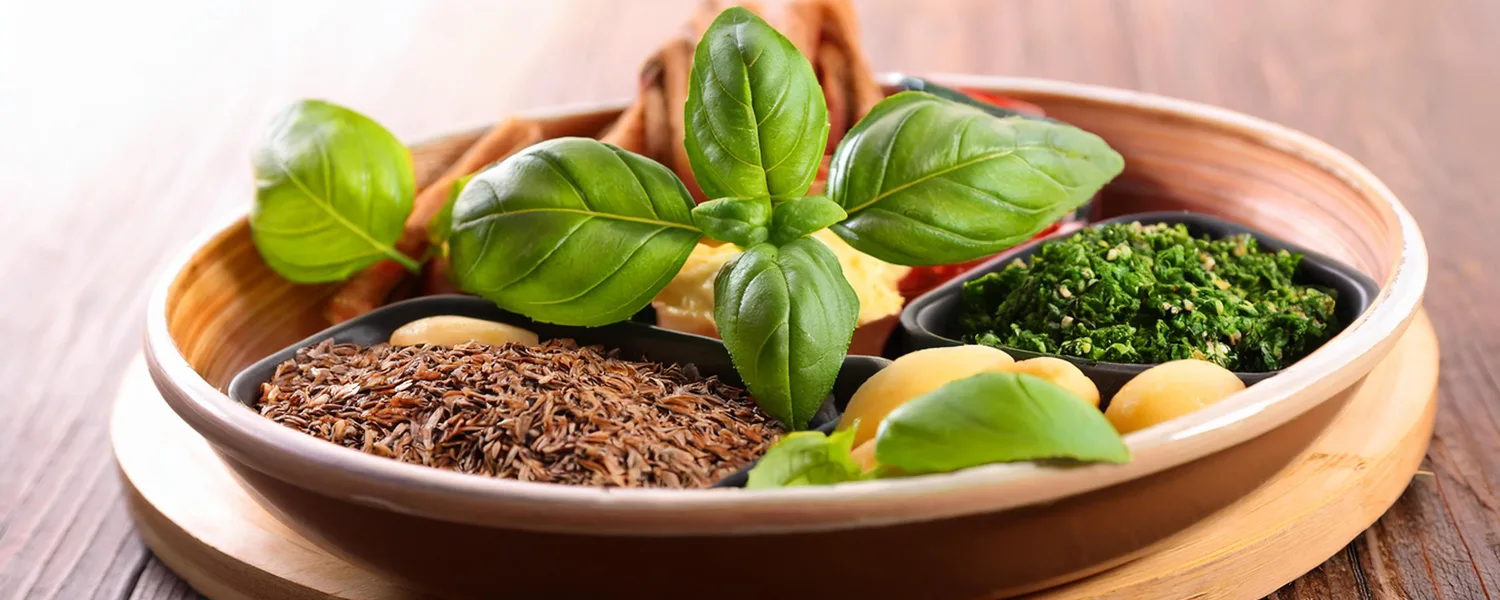
Basil, a popular culinary herb, is well-known for its aromatic leaves and versatile flavor that enhances a variety of dishes. However, for some individuals, basil can trigger allergic reactions that range from mild to severe. This comprehensive article will delve into basil allergy, exploring its symptoms, the testing process, and management strategies for those affected.
What is Basil Allergy?
Basil allergy is an adverse immune response to proteins contained in the basil plant (Ocimum basilicum). People with this allergy may experience reactions after ingestion, inhalation, or even skin contact with the herb. While it is relatively uncommon, understanding its implications is crucial for those who may be affected.
Symptoms of Basil Allergy
Allergic reactions to basil can vary significantly in severity and presentation. Common symptoms include:
1. Skin Reactions
- Hives: Raised, itchy welts that can occur anywhere on the body.
- Rashes: Red, inflamed skin that may result from direct contact with basil.
2. Respiratory Symptoms
- Nasal Congestion: Inflammation of the nasal passages leading to difficulty breathing.
- Wheezing: A whistling sound during breathing due to airway constriction.
- Asthma Attacks: Pre-existing asthma may be exacerbated by basil exposure.
3. Gastrointestinal Symptoms
- Nausea and Vomiting: Digestive upset following the consumption of basil.
- Diarrhea: Loose stools as a result of an allergic response.
4. Anaphylaxis
In some cases, basil allergy can lead to anaphylaxis, a life-threatening condition characterized by difficulty breathing, rapid swelling, and a drop in blood pressure. Anaphylaxis requires immediate medical intervention.
Testing for Basil Allergy
1. Medical History
The first step in diagnosing a basil allergy is a thorough medical history taken by an allergist. Patients will be asked about their symptoms, when they occur, and any previous reactions to basil or related herbs.
2. Skin Prick Test
One of the most common tests for allergies, the skin prick test involves placing a small amount of basil allergen on the skin and pricking it to allow exposure. If a reaction occurs, such as redness or swelling, this may indicate an allergy.
3. Blood Tests
Blood tests, such as the specific IgE test, can measure the immune system's response to basil proteins. Elevated levels of specific IgE antibodies may indicate an allergy.
4. Food Challenge
A food challenge is conducted under medical supervision. The patient consumes increasing amounts of basil to monitor for allergic reactions. This method is often used when the diagnosis is uncertain.
Cross-Reactivity and Related Allergies
Individuals allergic to basil may also experience cross-reactions with other herbs or plants due to similar protein structures. Common herbs that may cause cross-reactivity include:
Management and Treatment
Management of a basil allergy typically involves avoidance of basil and related herbs. In cases of allergic reactions, treatment may include:
1. Antihistamines
Over-the-counter antihistamines can relieve mild allergic symptoms, like itching and hives.
2. Corticosteroids
Prescription corticosteroids may be necessary for more severe reactions, especially if there is significant inflammation.
3. Epinephrine Auto-Injectors
For those at risk of anaphylaxis, carrying an epinephrine auto-injector (such as an EpiPen) is crucial for emergency treatment.
Basil allergy, while not as widely recognized as other food allergies, can have serious implications for those affected. Early diagnosis and effective management strategies are essential for ensuring safety and enhancing quality of life. If you suspect you have a basil allergy, seek guidance from a healthcare professional for appropriate testing and management strategies.